Having a new home is an exciting endeavor, however do not allow plumbing problems capture you off-guard. To stay ahead of the contour, you'll need to create an aggressive upkeep strategy. Consistently inspecting your pipelines and attending to small problems can conserve you from costly repair work down the line. But that's simply the idea of the iceberg - there's more you can do to keep your pipes system running efficiently. Ready to discover just how to come to be a wise property owner and avoid common plumbing pitfalls? Let's discover.
Secret Takeaways
- On a regular basis inspect pipes for splits, leaks, or rust, and display water pressure to identify obstructions for aggressive upkeep. Work with specialist plumbings for comprehensive assessments to spot wear, obstructions, and leakages in the pipes system early on. Address also minor leakages promptly, conduct leak detection evaluations, and repair leaks effectively to avoid considerable and pricey damages. Clear blockages efficiently utilizing plungers or drain serpents, and prevent overusing rough chemical drain cleansers that can harm pipes. Maintain the hot water heater by purging the tank routinely to get rid of debris buildup and replace the anode pole every few years.
Evaluate Pipeline Frequently
Consistently examining your pipes is vital for capturing small issues before they intensify into expensive repairs. By watching on your pipes system, you can address troubles early and prolong its lifespan.
Start by visually examining the visible pipes in your house, trying to find any type of fractures, leaks, or signs of corrosion. Pay close attention to the pipe product, as different products like copper, PVC, or galvanized steel have differing life expectancies and sensitivities to troubles.
Furthermore, check your water pressure on a regular basis. Low water stress can suggest a clog or a larger issue with your pipes. You can use a water stress gauge to monitor the pressure and recognize any variations.
If you observe a significant decrease in pressure, it's ideal to have a plumbing technician check your pipes to figure out the root cause.
Routine inspections and proactive upkeep can aid you prevent expensive emergency situation repairs down the line and keep your plumbing system running efficiently.
Address Leakages Promptly
You can't disregard also the smallest leakages.
Rapidly recognize the source of any type of leak and address it as soon as possible.
Fixing leakages efficiently will stop water damages and high utility bills.
Recognize Leak Resources
Identifying the resource of a leakage is essential, as it allows you to address the issue without delay and avoid further water damages.
Begin by conducting a complete leakage detection assessment. Check for any type of noticeable indications of moisture, such as discolored walls, moist floors, or condensation. Make use of a wetness meter to evaluate the degree of the trouble and identify the impacted areas.
Next, systematically check the plumbing system, starting from the main water line and functioning your way with the various fixtures, pipelines, and joints. Pay attention to locations susceptible to leakages, like under sinks, behind toilets, and around devices. If the leak isn't noticeable, you may need to shut off the water and carry out a pressure examination to identify the specific location.
When you have actually identified the resource of the leakage, you can take the needed steps to fix it. This might involve tightening links, changing washing machines, and even repiping sections of the plumbing system.
React Rapidly to Leaks
As soon as you've identified the source of the leakage, it's essential to act quickly to attend to the trouble and prevent further water damages. Overlooking a leak, even a tiny one, can lead to extensive and pricey fixings down the line, so it's important to respond quickly.
The first step is to shut off the water supply to the afflicted location. This will certainly quit the leakage and avoid extra water from entering your home.
Next, use dampness detection tools to thoroughly check the area and identify the complete level of the damages. This will certainly aid you establish the very best course of action for fixings.
Depending upon the seriousness of the leak, you may require to call a specialist plumbing. They can rapidly diagnose the issue, make the essential fixings, and warranty proper water conservation measures remain in place to prevent future leaks.
Fix Leaks Properly
Without delay resolving leaks is crucial to prevent escalating water damage and pricey repairs. Shutting down the supply of water to the afflicted area is the very first vital step, stopping the leakage and mitigating more flooding. Thoroughly inspecting the area with wetness discovery devices helps establish the full level of the damage, guiding one of the most effective repair method.
Determining the accurate resource of a leak can be tough, but utilizing leakage discovery methods like paying attention for dripping noises or checking water stress variations can discover the trouble.
As soon as determined, you'll require to dismantle the affected pipes components to effectively fix the problem. This might entail replacing washing machines, tightening up connections, or in a lot more extreme cases, changing pipes or components entirely.
Paying very close attention to water pressure can also expose leaks, as an abrupt drop in stress usually suggests a breach in the system. By rapidly addressing leaks and restoring appropriate water pressure, you'll secure your home from the devastations of water damages.
Clear Obstructions Successfully
To remove a clogged up drain efficiently, you'll intend to initial establish the source of the obstruction.
Making use of a plunger or a drainpipe snake can typically dislodge caught https://maidstoneemergencyplumber.co.uk/blocked-drains.html debris and bring back appropriate flow. If the clog continues, you may need to make use of a chemical drain cleaner, yet make sure to adhere to the product directions meticulously.
Stopping blockages in the first place is the best strategy. Regular drainpipe upkeep, such as making use of a wire mesh filter to catch hair and particles, can go a lengthy way in keeping your pipes streaming openly.
You must likewise stay clear of putting grease, oil, or various other thick substances down the tubes, as they can strengthen and trigger blockages gradually. If you do experience a blockage, address it immediately to prevent additional plumbing issues down the line.
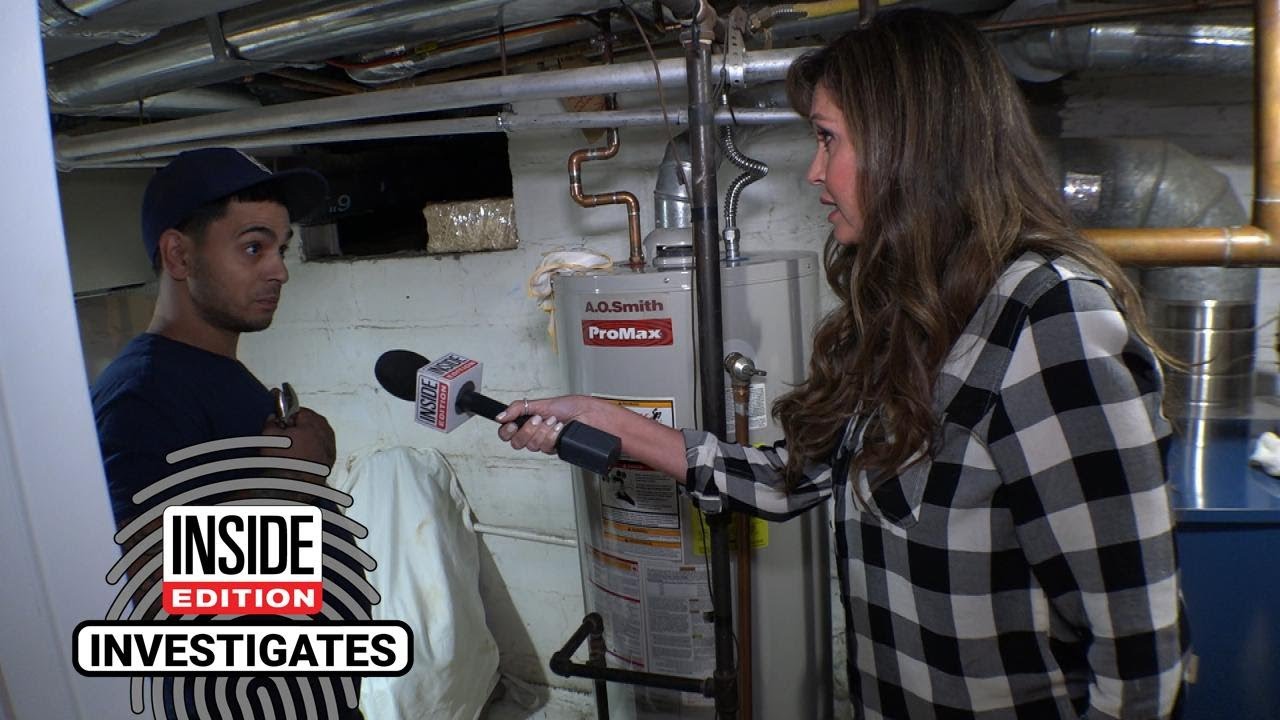
Keep Hot Water Heater
To keep your water heater running efficiently, you must purge the storage tank consistently. This assists eliminate sediment buildup that can decrease performance.
In addition, changing the anode pole every couple of years can extend the life of your hot water heater.
Flush Container Regularly
Purging your tank regularly is vital for preserving the performance and durability of your water heater. Over time, sediment and minerals can develop in the storage tank, minimizing its home heating capability and possibly creating it to fail too soon. By purging the storage tank, you can remove this buildup and ensure your hot water heater is running at peak efficiency.
The advised flushing frequency for your container will certainly depend on the high quality of your water, but as a basic rule, you need to purge it a minimum of annually. This process involves draining pipes the storage tank completely and then re-filling it. You can do this on your own by following the maker's instructions, or you can work with a specialist plumbing professional to manage it for you.
Regular storage tank upkeep, consisting of flushing, is a little financial investment that can conserve you a great deal of money in the future by avoiding pricey hot water heater repairs or substitutes.
Replace Anode Pole
One more important maintenance task for your water heater is to change the anode rod on a regular basis. The anode rod is a sacrificial metal component that aids protect against corrosion within the tank, and it requires to be examined and changed every few years to assure it's still successfully safeguarding your hot water heater.
Frequently changing the anode pole is vital for deterioration avoidance. As the pole deteriorates in time, it sacrifices itself to secure the inside of the tank from rusting and corroding. Missing this maintenance can cause expensive hot water heater failures down the road, so do not neglect to switch out the anode rod maidstone emergency plumber blocked drains every 2-3 years.
To change the anode rod, you'll first need to shut down the power or gas supply to the water heater. Then, drain a section of the storage tank so you can access the anode rod. Utilize a socket wrench to eliminate the old pole and set up a brand-new one. Make certain to choose an anode pole that's compatible with your certain hot water heater version.
Stop Frozen Piping
Winterizing your home is important to protecting against frozen pipelines, which can bring about costly water damages. One of the best methods to shield your plumbing is by protecting subjected pipes, particularly those situated in unheated locations like the attic room, cellar, or crawl space. Think about utilizing foam pipe insulation, which is easy to install and can supply efficient security against the cold.
Furthermore, you might want to check into a lot more extensive insulation alternatives, such as wrapping pipes with warm tape or installing a shielding jacket around hot water heaters.
As component of your winter months prep work, be sure to disconnect and drain any kind of outdoor hose pipes or irrigation systems. Shut off the water system to these locations and open any type of shutoffs to permit the staying water to leave. This will certainly stop the water from freezing and creating pipelines to ruptured.
Usage Drain Cleaners Carefully
While drainpipe cleansers can be a reliable service for unclogging persistent pipelines, it's vital to utilize them cautiously. These extreme chemicals can damage pipelines if made use of exceedingly or incorrectly, potentially resulting in even more pricey pipes problems down the line.
Prior to reaching for a business drainpipe cleaner, consider attempting all-natural solutions like cooking soda and vinegar or a plunger. These chemical options are gentler on your pipelines and can be equally as reliable at getting rid of clogs. If you do choose to use a drain cleaner, follow the guidelines carefully and never ever utilize more than the advised amount.
In addition, watch out for utilizing drainpipe cleansers too often. Overuse can use down the inside of your pipelines, making them a lot more vulnerable to leaks and breaks. If you discover on your own requiring to utilize a drainpipe cleaner frequently, it's a good idea to have a plumber evaluate your pipes for any underlying issues.
Set Up Expert Examinations
Arranging professional pipes inspections is a crucial preventative procedure to capture issues early and avoid pricey repair work down the line.
By enlisting the knowledge of qualified plumbing professionals, you can feel confident that your home's plumbing system is thoroughly examined and any type of prospective problems are identified before they intensify. These normal evaluations should be an essential part of your general pipes upkeep suggestions.
Throughout the assessment, the plumber will diligently check for signs of damage, blockages, or leakages in your pipelines, fixtures, and home appliances. They'll also assess the performance and functionality of your water heater, sinks, commodes, and various other pipes components.
Equipped with this thorough evaluation, they can supply personalized recommendations to attend to any problems and aid you maintain a healthy, problem-free pipes system.
Buying expert pipes solutions may seem like an added expenditure, but it can ultimately conserve you time, cash, and hassle in the future by stopping significant issues before they take place.
Frequently Asked Inquiries
Can I Mount Plumbing Components Myself?
You can mount plumbing fixtures on your own, but it is necessary to adhere to appropriate safety preventative measures.
DIY plumbing can be complicated, so research the essential plumbing setup ideas prior to beginning any type of job.
Make certain you shut off the water, make use of the right tools, and follow neighborhood building regulations.
If you're not comfy with the procedure, it's ideal to work with a professional plumbing technician to guarantee the task's done safely and correctly.
Just how Often Should I Replace My Pipelines?
Replacing your pipelines depends upon the products used.
Copper pipelines typically last 50-80 years, while PVC and CPVC can last 70-100 years. Galvanized steel pipes may need replacement after 20-50 years.
To establish your pipe lifespan, think about the age of your home and the products used.
Routinely inspect for leaks or rust and don't wait up until problems develop to resolve your plumbing.
Proactively keeping your pipelines can stop expensive fixings down the line.
What Are the Indications of a Failing Water Heater?
If you're not getting adequate warm water, hearing odd sounds, or seeing rusty water, these can indicate your hot water heater is nearing completion of its life-span.
Regular upkeep like purging the storage tank and looking for leakages can assist prolong its life expectancy.
Make sure to replace your hot water heater every 8-12 years to avoid unexpected malfunctions and costly repair work.
Exactly How Can I Protect Against Mold And Mildew Development in My Plumbing?
To stop mold and mildew growth in your plumbing, you'll require to stay on top of normal upkeep.
Regularly examine your pipelines and components for any type of indications of leakages or excess dampness, and resolve them quickly.
Guarantee proper ventilation in restrooms and kitchen areas to regulate moisture degrees.
Additionally, consider updating to mold-resistant structure materials when remodeling.
Can I Utilize Chemical Drain Cleansers On A Monthly Basis?
I would not advise using chemical drainpipe cleansers each month. They can really create even more damage than good with time, potentially damaging your pipes.
Instead, try using environment-friendly, enzymatic drain cleaners or a combination of baking soft drink and vinegar.
You just need to do a deep drain cleaning every few months, not regular monthly.
Stick to preventative maintenance like eliminating hair and debris from your drains to maintain them flowing freely.
Conclusion
By remaining cautious and taking proactive procedures, you can shield your home's plumbing system.
Routinely check pipelines, address leakages right away, and clear obstructions utilizing natural services.
Preserve your hot water heater and avoid icy pipelines via proper insulation.
Remember to use drain cleansers very carefully and timetable specialist evaluations periodically to ensure your plumbing continues to function smoothly.